

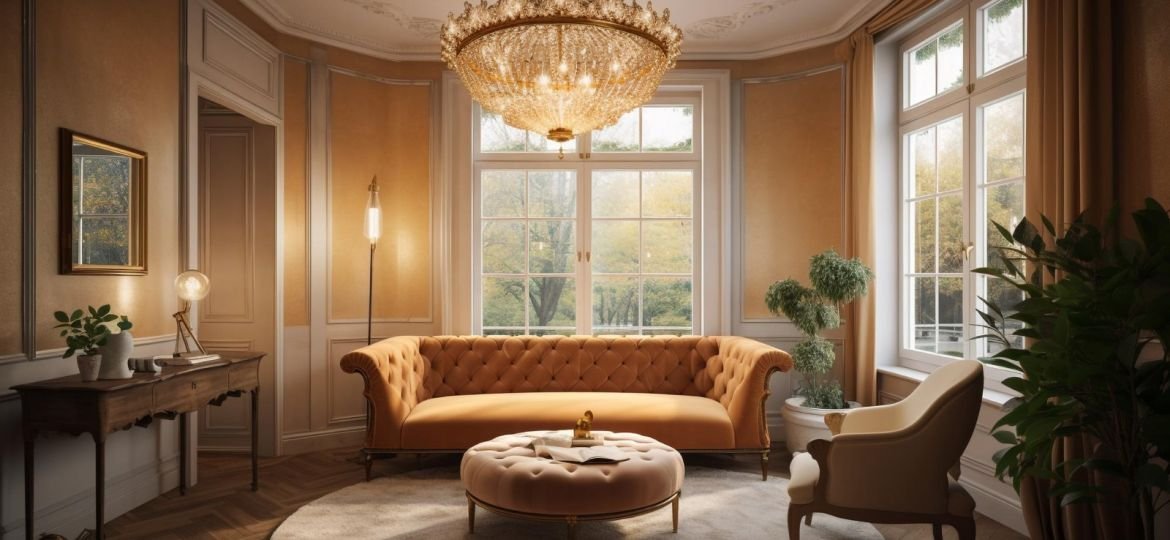
Choosing an interior design style is one of the most important decisions when creating a new home, office, or commercial space. The style you choose affects everything from the furniture and materials to the colors, lighting, layout, and overall atmosphere of the space.
When comparing modern interior design vs classic, there is no single answer that works for everyone. Modern interiors emphasize simplicity, functionality, and clean visual forms, while classic interiors focus on elegance, symmetry, craftsmanship, and architectural details.
Understanding the differences between modern vs classic design can help you choose an interior that reflects your lifestyle, complements your property, and remains visually appealing for years to come.
What Is Modern Interior Design?
Modern interior design is centered around simplicity, functionality, and a carefully controlled aesthetic. Rather than relying on excessive decoration, modern spaces use proportions, materials, lighting, and furniture to create a sophisticated environment.
The style is often associated with open layouts, neutral colors, contemporary materials, and streamlined furniture. Every element has a purpose, helping the space feel organized without appearing empty.
Clean Lines and Simple Forms
One of the most recognizable characteristics of modern interiors is the use of clean lines.
Furniture, walls, architectural elements, and lighting fixtures often feature straight or carefully defined geometric forms. This creates an uncluttered appearance and allows individual elements to stand out without competing for attention.
Modern interiors also tend to avoid unnecessary decorative details. Instead, visual interest comes from proportions, textures, lighting, and carefully selected materials.
Modern Furniture and Furniture Silhouettes
Furniture plays a major role in defining a modern space. Contemporary pieces typically have streamlined furniture silhouettes, simple shapes, and practical proportions.
Instead of highly decorative furniture, modern interiors may feature:
- Streamlined sofas
- Minimalist dining tables
- Geometric coffee tables
- Built-in storage
- Contemporary accent chairs
- Bespoke furniture with simple profiles
The objective is not to make the room look bare, but to create a functional environment where furniture supports both comfort and visual harmony.
Modern Materials and Material Palette
A sophisticated modern interior often depends on the combination of several high-quality materials rather than excessive decoration.
A carefully selected material palette can include:
- Natural wood
- Marble
- Glass
- Metal
- Concrete
- Stone
- Premium fabrics
The combination of these materials can create depth and character while maintaining the simplicity associated with modern design.
Modern Colors and Lighting
Modern interiors commonly use neutral colors such as white, beige, gray, taupe, and natural wood tones. Stronger colors can be introduced through artwork, furniture, accessories, or statement pieces.
Lighting is equally important. Architectural lighting, concealed LED lighting, pendant fixtures, and carefully positioned spotlights can highlight materials and architectural features while creating a comfortable atmosphere.
What Is Classic Interior Design?
Classic interior design takes inspiration from established design traditions and emphasizes elegance, symmetry, proportion, and craftsmanship.
Unlike modern interiors, classic spaces are generally more comfortable with decorative details and ornamentation. However, a well-designed classic interior does not need to feel outdated. With the right materials, proportions, and furniture, classic design can create a sophisticated and timeless environment.
Ornamentation and Decorative Details
Ornamentation is one of the clearest differences between modern and classic interiors.
Classic spaces may incorporate:
- Wall paneling
- Decorative moldings
- Cornices
- Detailed trims
- Carved furniture
- Elegant ceiling treatments
- Decorative lighting fixtures
These elements add visual richness and reinforce the architectural character of the space.
Classic Furniture and Furniture Silhouettes
Classic furniture tends to feature more detailed furniture silhouettes compared with modern pieces.
Traditional sofas, armchairs, dining tables, and cabinets may incorporate curved forms, decorative legs, intricate woodwork, and luxurious upholstery.
Furniture selection is particularly important in classic interiors because symmetry, scale, and proportion can determine whether the final result feels sophisticated or overly elaborate.
Classic Materials and Finishes
Classic interiors often rely on materials associated with luxury and craftsmanship.
Common choices include marble, natural wood, brass, premium fabrics, decorative stone, and sophisticated wall finishes.
The objective is to create a sense of quality and timeless elegance through materials that age well and complement the architectural character of the property.
Modern Interior Design vs Classic: What Are the Main Differences?
The most effective way to understand modern interior design vs classic is to compare the fundamental principles behind each approach.
Modern vs Classic Design: Overall Aesthetic
Modern vs classic design can be summarized as a difference in visual language.
Modern interiors generally prioritize simplicity, functionality, and visual clarity. Classic interiors emphasize elegance, symmetry, decorative elements, and traditional craftsmanship.
Modern design may feel:
- Clean
- Minimal
- Open
- Functional
- Contemporary
Classic design may feel:
- Elegant
- Formal
- Sophisticated
- Detailed
- Timeless
Neither approach is inherently better. The right choice depends on the property, lifestyle, personal preferences, and desired atmosphere.
Furniture and Furniture Silhouettes
Modern furniture usually features simple forms and streamlined furniture silhouettes. Classic furniture tends to include more decorative details and traditional proportions.
For example, a modern living room might use a low-profile sofa with a simple coffee table, while a classic living room could feature a detailed upholstered sofa, marble tables, and decorative accent chairs.
Materials and Material Palette
The material palette is another important distinction.
Modern interiors often combine materials such as glass, metal, concrete, marble, and natural wood. Classic interiors may place greater emphasis on marble, wood, brass, luxurious fabrics, and detailed finishes.
However, both styles can use premium materials. The difference is primarily in how those materials are combined and presented.
Colors
Modern color schemes are often restrained and neutral, creating a calm and uncluttered environment.
Classic interiors can also use neutral colors, but they may incorporate deeper tones, warmer shades, richer fabrics, and more decorative color combinations.
The best palette depends on the property’s natural light, dimensions, architecture, and intended mood.
Architectural Details
Architectural details can strongly influence the choice between modern and classic design.
Modern spaces may minimize decorative architectural elements and instead highlight proportions, open spaces, textures, and lighting.
Classic interiors can embrace architectural details such as moldings, wall panels, columns, decorative ceilings, and symmetrical layouts.
Contemporary vs Traditional Interiors: How Are They Different?
The terms contemporary and traditional are sometimes used interchangeably with modern and classic, but they describe slightly different concepts.
Contemporary Interior Design
Contemporary interiors reflect current design preferences and can evolve as trends, materials, and technologies change.
They may include:
- Flexible layouts
- Modern materials
- Minimal decorative elements
- Integrated technology
- Contemporary furniture
- Neutral color palettes
- Functional spaces
Contemporary design is particularly suitable for people who want an interior that feels current and adaptable.
Traditional Interior Design
Traditional interior design is based on established design principles and historical influences.
It commonly incorporates:
- Symmetry
- Decorative furniture
- Rich materials
- Architectural details
- Traditional craftsmanship
- Elegant fabrics
- Classic accessories
The result can be warm, sophisticated, and highly detailed.
Understanding contemporary vs traditional interiors is useful when determining whether your preference is based on current design trends or a more established aesthetic.
Modern Interior Design vs Classic: Which Style Is More Timeless?
One common question when considering modern interior design vs classic is which style will remain attractive for longer.
The answer depends less on the category and more on the quality of the design.
Why Modern Interiors Can Feel Timeless
Modern interiors can remain relevant when they focus on fundamentals rather than temporary trends.
Clean proportions, high-quality materials, neutral colors, functional layouts, and carefully selected furniture can create an interior that continues to feel sophisticated over time.
Why Classic Interiors Remain Popular
Classic interiors have a natural connection to timeless design because they are based on established principles of proportion, symmetry, craftsmanship, and elegance.
High-quality woodwork, marble, refined furniture, and architectural details can maintain their appeal for decades when they are appropriately designed for the space.
Ultimately, timeless interior design is about balance, quality, and thoughtful decision-making rather than simply following a specific style.
Can You Combine Modern and Classic Interior Design?
Yes. Modern and classic elements can be combined to create a sophisticated transitional interior.
This approach is particularly effective when a property has architectural characteristics from one style but the owner prefers furniture and functionality from another.
Modern Furniture With Classic Architectural Details
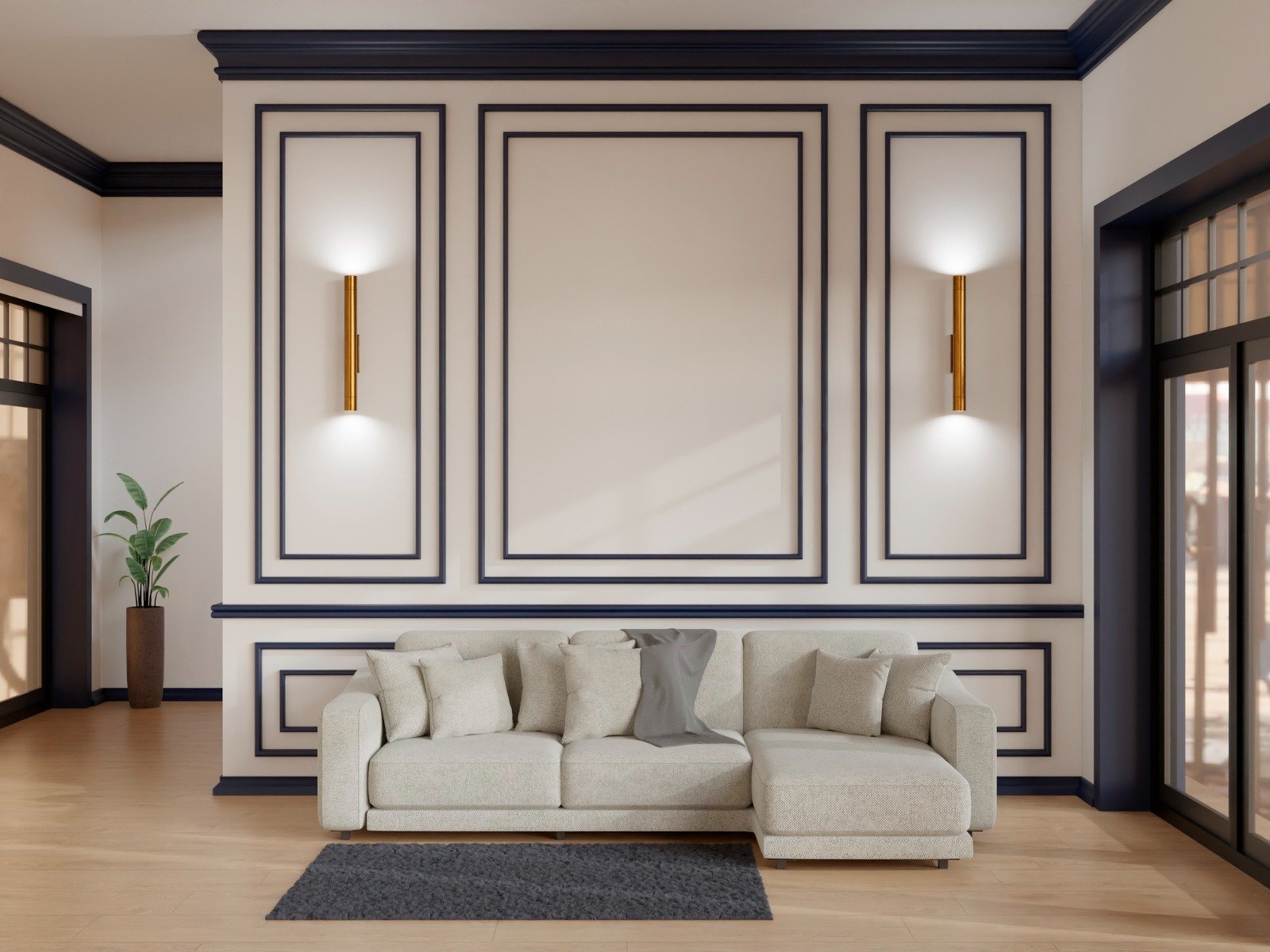
A room can combine classic wall paneling or decorative moldings with contemporary sofas, modern lighting, and minimalist furniture.
This creates contrast while maintaining a connection between the property’s architecture and its interior.
Combining Clean Lines With Ornamentation
The key to combining clean lines and ornamentation is balance.
Instead of using decorative elements throughout the entire room, designers can select specific focal points and allow modern furniture to provide visual simplicity.
This prevents the space from becoming visually overwhelming.
Creating a Balanced Material Palette
A carefully planned material palette can also connect modern and classic elements.
For example, marble, natural wood, brushed metal, and premium fabrics can work across both styles when their colors, textures, and proportions are coordinated.
Transitional Interior Design
Transitional interior design creates a bridge between modern and classic aesthetics.
It may combine the simplicity of modern furniture with the warmth and architectural character of classic interiors. This makes it a strong option for homeowners who appreciate aspects of both styles.
How to Choose Between Modern and Classic Interior Design
Choosing between modern and classic design should go beyond simply selecting the style you find attractive in photographs.
Consider Your Lifestyle
Think about how you use the space.
If you prioritize easy movement, flexible layouts, practical storage, and minimal visual clutter, modern design may be a better fit.
If you enjoy formal entertaining, detailed furnishings, traditional craftsmanship, and decorative environments, classic design may better reflect your lifestyle.
Consider Your Property’s Architecture
The architecture of the property should also influence your decision.
Ceiling height, windows, columns, existing moldings, floor plans, natural lighting, and structural proportions can all affect which design approach works best.
A classic interior may naturally complement a property with traditional architectural details, while a modern interior may work particularly well with open layouts and contemporary architecture.
Consider Your Preferred Atmosphere
Think about how you want the space to feel.
Modern interiors can create a calm, organized, and contemporary atmosphere. Classic interiors can create a warm, elegant, and formal environment.
Your preferred atmosphere should guide your decisions about furniture, colors, lighting, materials, and decorative details.
Consider Materials and Maintenance
Different finishes have different maintenance requirements.
When selecting materials, it is important to consider durability, cleaning, daily use, and long-term performance rather than choosing materials based solely on appearance.
A professional interior design process can help balance aesthetics with practicality.
Modern vs Classic Design for Luxury Interiors
Luxury does not belong exclusively to either modern or classic design.
A successful luxury interior depends on the quality of its planning, materials, craftsmanship, proportions, and execution.
Luxury Modern Interiors
Luxury modern interiors can combine premium materials with sophisticated simplicity.
Common elements include:
- Bespoke furniture
- Premium marble and stone
- Natural wood
- Architectural lighting
- Integrated technology
- Custom storage
- Carefully planned spatial layouts
The luxury comes from precision and quality rather than excessive decoration.
Luxury Classic Interiors
Luxury classic interiors may focus more heavily on craftsmanship and architectural detail.
Custom millwork, marble, premium fabrics, elegant lighting, decorative wall treatments, and carefully selected furniture can create a highly sophisticated environment.
The Importance of Professional Interior Design
Regardless of whether you prefer modern or classic design, professional planning can make a significant difference.
Effective spatial planning, premium material selection, custom furniture, lighting design, and attention to proportion help transform individual design elements into a cohesive environment.
At Trio-EG, interior design is approached as part of an integrated process, combining spatial planning, material selection, functionality, and aesthetic harmony to create bespoke environments.
Modern Interior Design vs Classic: Which One Should You Choose?
The choice ultimately depends on your priorities.
|
If You Prefer |
Consider |
|
Clean lines |
Modern |
|
Minimal decoration |
Modern |
|
Contemporary materials |
Modern |
|
Flexible functionality |
Modern |
|
Ornamentation |
Classic |
|
Symmetry |
Classic |
|
Traditional craftsmanship |
Classic |
|
Timeless elegance |
Classic |
| Elements from both styles | Transitional |
If you prefer simplicity and functionality, modern interiors may be the stronger choice.
If you appreciate craftsmanship, symmetry, and decorative architectural details, classic interiors may be more suitable.
If you appreciate both approaches, transitional design can provide a balanced alternative.
Frequently Asked Questions About Modern Interior Design vs Classic
What is the main difference between modern and classic interior design?
The primary difference is their visual approach. Modern design generally emphasizes simplicity, functionality, clean forms, and contemporary materials, while classic design emphasizes symmetry, decorative details, craftsmanship, and traditional proportions.
Is modern interior design better than classic design?
Neither style is universally better. The best option depends on your lifestyle, property architecture, functional needs, preferred atmosphere, and personal taste.
Can modern and classic interior design be combined?
Yes. Modern furniture can be combined with classic architectural details, traditional materials, or decorative elements to create a transitional interior that incorporates characteristics from both styles.
Which interior design style is more timeless?
Both modern and classic interiors can be timeless when they are based on quality materials, good proportions, functional planning, and thoughtful design rather than short-term trends.
What materials are commonly used in modern interiors?
Modern interiors commonly use materials such as marble, natural wood, glass, metal, concrete, stone, and premium fabrics. The final selection depends on the project’s requirements and overall design concept.
What materials are commonly used in classic interiors?
Classic interiors often use natural wood, marble, brass, premium fabrics, decorative stone, and sophisticated wall and ceiling finishes.
Understanding modern interior design vs classic is the first step toward creating a space that feels both beautiful and appropriate for the people who use it.
Modern interiors focus on clean lines, functionality, contemporary materials, and visual simplicity. Classic interiors emphasize ornamentation, symmetry, craftsmanship, and timeless elegance. Both can deliver sophisticated results when their elements are carefully selected and professionally integrated.
The most successful interior is not necessarily the one that follows a particular style most strictly. It is the one that responds intelligently to the architecture, lifestyle, functionality, materials, and atmosphere of the space.
Whether the vision is contemporary, classic, or a carefully balanced combination of both, thoughtful spatial planning and high-quality execution can transform an ordinary structure into an exceptional interior environment.
Follow us:
[…] By Rahma El-Sayed Interior Design Tips October 5, […]