

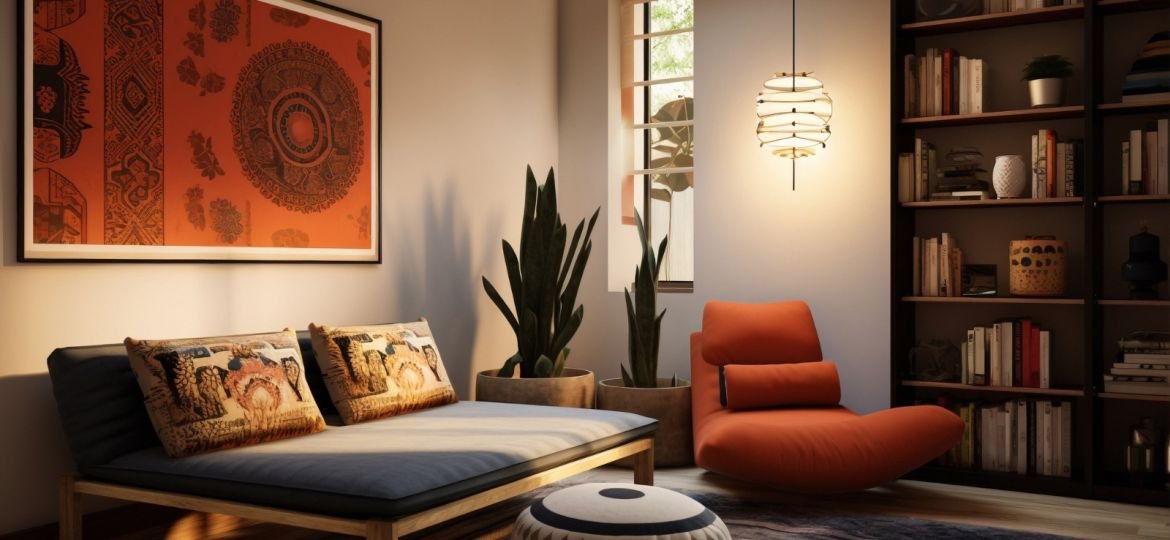
Choosing the right interior design style can completely transform the way a space looks, feels, and functions. From clean and minimalist interiors to timeless classic spaces and warm Mediterranean environments, each style creates a different atmosphere and reflects a different approach to architecture, furniture, materials, colors, and lighting.
Understanding the different interior design styles is an important first step before planning a residential, commercial, or luxury interior project. The right style should not only look attractive but also complement the architecture of the space, support its function, and create a cohesive environment.
In this interior design styles guide, we explore some of the most popular approaches, their defining characteristics, and how to choose the right style for your project.
What Are Interior Design Styles?
Interior design styles are distinct approaches to designing and decorating an interior space. Each style has its own combination of architectural details, furniture, materials, colors, textures, lighting, and decorative elements.
Some styles focus on simplicity and functionality, while others emphasize ornamentation, luxury, warmth, or natural materials. Modern and minimalist interiors, for example, typically prioritize clean lines and uncluttered spaces, while classic interiors often rely on symmetry, elegant furniture, and sophisticated details.
Understanding types of interior design can help property owners make informed decisions and develop a consistent visual identity throughout a home, office, commercial property, or hospitality environment.
Why Choosing the Right Interior Design Style Matters
An interior design style is more than a visual preference. It influences how people experience and use a space.
A well-selected style can:
- Create a strong visual identity
- Improve the functionality of a space
- Establish a sense of comfort and balance
- Complement the architectural structure
- Guide furniture and material selection
- Create visual harmony between different rooms
- Reflect the personality and lifestyle of the occupants
- Enhance the overall perception of a premium property
For large residential and commercial projects, selecting a clear design direction early in the process can also make spatial planning, material selection, lighting, and furniture decisions more cohesive.
1. Modern Interior Design
Modern interior design is one of the most recognizable approaches to contemporary spaces. It generally emphasizes simplicity, functionality, clean lines, and carefully selected materials.
Modern interiors often feature:
- Simple geometric forms
- Clean architectural lines
- Functional furniture
- Neutral color palettes
- Glass, metal, and wood
- Open and practical layouts
- Minimal decorative elements
- Integrated lighting
The modern style works particularly well when the goal is to create a sophisticated environment without excessive ornamentation. Furniture is usually selected for both appearance and practicality, while materials and finishes are used to create subtle visual interest.
Modern interiors can be especially effective in contemporary apartments, villas, offices, and commercial spaces where functionality and a polished aesthetic need to work together.
2. Classic Interior Design
Classic interior design focuses on elegance, symmetry, proportion, and timeless details. Unlike styles that are heavily influenced by short-term trends, classic interiors are designed to maintain their appeal over time.
Common characteristics include:
- Symmetrical layouts
- Elegant furniture
- Ornate architectural details
- Decorative moldings
- Rich materials
- Sophisticated lighting
- Balanced color schemes
- Timeless decorative pieces
Classic interiors can incorporate luxurious finishes such as natural stone, detailed woodwork, premium fabrics, and carefully designed lighting.
This style is often suitable for villas, luxury residences, formal living areas, and premium properties where elegance and craftsmanship are central to the design concept.
3. Minimalist Interior Design
Minimalist interior design takes the principle of “less is more” and applies it to the entire space. The focus is on eliminating unnecessary elements while maintaining functionality, comfort, and visual harmony.
A minimalist interior may include:
- Clean lines
- Simple furniture
- Neutral colors
- Open spaces
- Limited decoration
- Natural materials
- Integrated storage
- Carefully planned lighting
Minimalism does not necessarily mean creating an empty or cold environment. A successful minimalist space depends on proportions, textures, natural light, and material quality.
Wood, stone, textured fabrics, and subtle finishes can add warmth while maintaining the clean aesthetic associated with minimalist interiors.
4. Contemporary Interior Design
Contemporary interior design is often associated with the present moment. While modern design refers to a specific design movement, contemporary design is more flexible and evolves as architectural and interior trends change.
Contemporary spaces may combine:
- Clean architectural forms
- Sophisticated furniture
- Modern lighting
- Neutral or contrasting colors
- Natural and engineered materials
- Statement pieces
- Flexible layouts
- Art and decorative elements
One of the advantages of the contemporary style is its flexibility. Designers can combine different materials, textures, and furniture styles to create a space that feels current without following a rigid set of rules.
For premium residential and commercial projects, contemporary design can provide a balance between functionality, sophistication, and individuality.
5. Mediterranean Interior Design
Mediterranean interior design draws inspiration from the architecture and lifestyle of Mediterranean regions. It is recognized for its warmth, natural materials, relaxed atmosphere, and connection to natural light.
Typical Mediterranean interiors may feature:
- Earthy color palettes
- Natural stone
- Wood
- Textured walls
- Arches
- Warm lighting
- Handmade decorative elements
- Natural fabrics
- Indoor-outdoor connections
Colors often include warm whites, beige, terracotta, sand, and earthy tones, with occasional blue or green accents.
Mediterranean style can work particularly well in villas and spacious residential properties where natural light, outdoor areas, and architectural features can become part of the overall interior concept.
6. Industrial Interior Design
Industrial interior design takes inspiration from warehouses, factories, and converted industrial buildings. It often celebrates structural elements rather than hiding them.
Common industrial design features include:
- Exposed concrete
- Metal
- Brick
- Wood
- Visible structural elements
- Open layouts
- Industrial lighting
- Simple furniture
The combination of raw materials and refined furniture can create a strong contrast. Industrial design is particularly suitable for modern offices, creative workspaces, restaurants, and contemporary residential interiors.
7. Scandinavian Interior Design
Scandinavian design is known for simplicity, functionality, natural materials, and a bright, comfortable atmosphere.
Typical characteristics include:
- Light color palettes
- Natural wood
- Simple furniture
- Soft textiles
- Functional layouts
- Natural light
- Minimal decoration
- Comfortable spaces
The style focuses on creating interiors that feel practical and welcoming rather than overly formal. Its emphasis on simplicity makes it particularly compatible with smaller residential spaces and modern apartments.
8. Transitional Interior Design
Transitional interior design combines elements of classic and contemporary design. It provides an opportunity to create an elegant environment without committing completely to either traditional ornamentation or modern minimalism.
A transitional space may combine:
- Classic architectural details
- Contemporary furniture
- Neutral colors
- Sophisticated materials
- Balanced proportions
- Modern lighting
- Traditional decorative accents
This makes transitional interiors particularly useful for homeowners who appreciate the elegance of classic design but want their spaces to maintain a contemporary feel.
9. Luxury Interior Design
Luxury interior design is not defined simply by using expensive materials. True luxury is often reflected in the quality of planning, craftsmanship, proportions, detailing, material selection, and execution.
Luxury interiors may include:
- Bespoke furniture
- Premium natural materials
- High-quality finishes
- Custom lighting
- Detailed architectural elements
- Carefully selected textures
- Integrated technology
- Personalized design solutions
A successful luxury interior should feel intentional rather than excessive. Every element should contribute to the overall experience of the space.
For premium residential and commercial properties, the design process should therefore consider architecture, functionality, aesthetics, materials, lighting, and execution as interconnected elements.
How to Choose the Right Interior Design Style
With so many design style ideas available, choosing one can initially seem difficult. The best approach is to consider the space itself and how it will be used.
1. Consider the Architecture
The existing architecture can provide valuable direction.
A property with large windows, open spaces, and contemporary architectural lines may naturally suit modern or contemporary interiors. A property with detailed architectural elements may work particularly well with classic or transitional design.
The interior should complement the architecture rather than compete with it.
2. Define the Function of the Space
Function should always influence design decisions.
A family home may require comfortable furniture, practical storage, and durable materials. A corporate office may prioritize productivity, collaboration, and professional presentation. A luxury commercial property may require a stronger emphasis on brand identity and customer experience.
3. Think About Materials and Textures
Materials have a major impact on how an interior feels.
Natural stone can introduce sophistication and durability, while wood can create warmth. Glass can increase the perception of openness, while metal can introduce a contemporary or industrial character.
Combining textures can also add depth without requiring excessive decoration.
4. Select a Suitable Color Palette
Color influences atmosphere and perception.
Neutral colors can create a calm and sophisticated environment, while earthy tones can make a space feel warm and natural. Stronger colors can be used as accents through furniture, artwork, fabrics, or decorative pieces.
The color scheme should work with the materials, lighting, and architectural features of the space.
5. Consider Lighting
Lighting is one of the most important elements of interior design.
A well-designed lighting plan can highlight architectural details, improve functionality, and create different moods throughout the space.
A comprehensive approach may combine:
- Ambient lighting
- Task lighting
- Accent lighting
- Architectural lighting
- Natural light
The result should support both the aesthetic concept and the practical needs of the users.
6. Prioritize Cohesion
A successful interior does not require every room to look identical. Instead, different spaces should share visual elements that create a cohesive overall experience.
Similar materials, complementary colors, consistent finishes, or repeated architectural details can connect different areas while still allowing each space to have its own identity.
Modern vs. Contemporary Interior Design
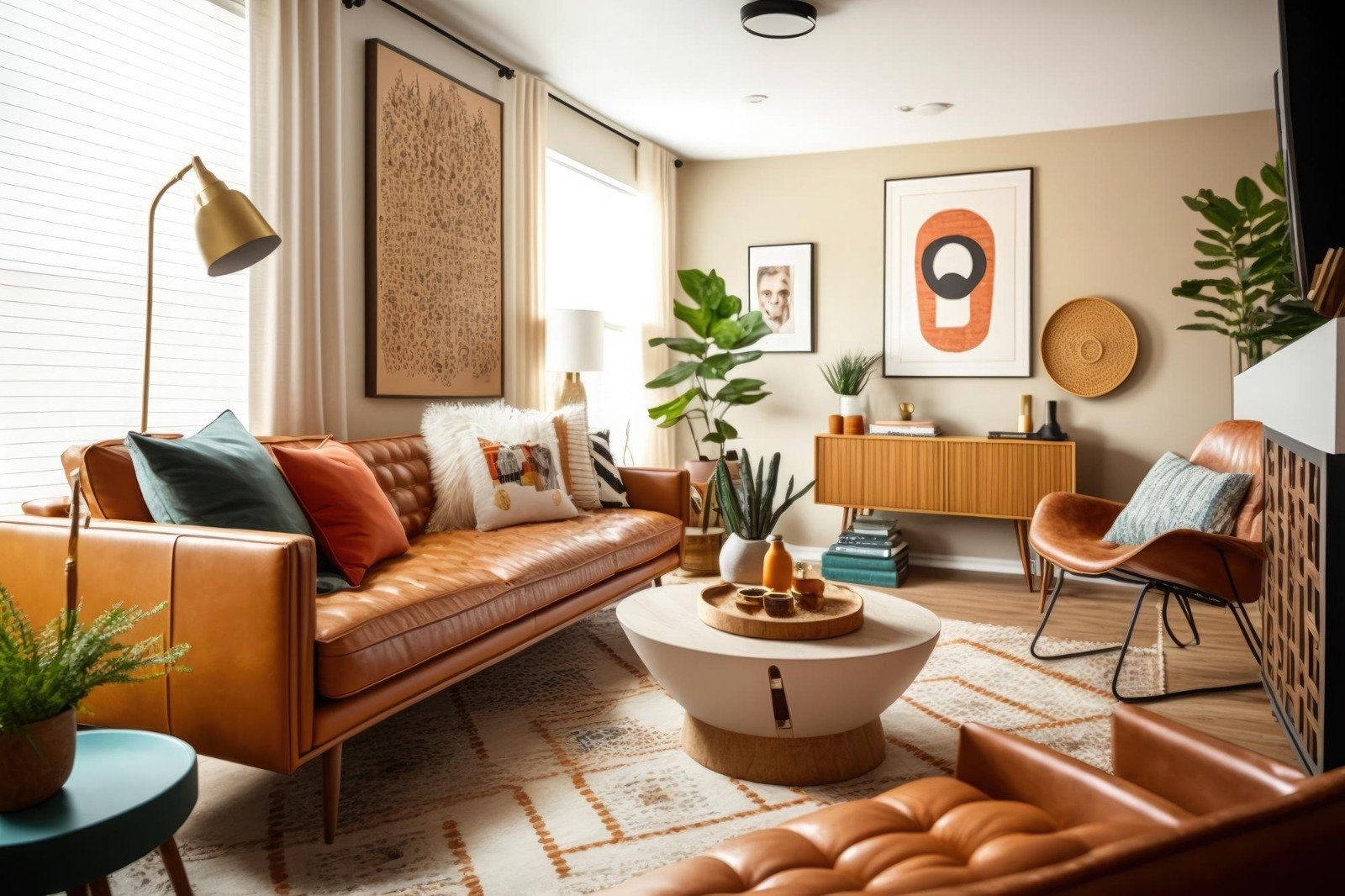
Modern and contemporary design are often confused because the terms are sometimes used interchangeably.
Modern interior design is associated with a particular design philosophy that emphasizes clean lines, functionality, and simplicity. Contemporary design, on the other hand, is more fluid and reflects current design preferences.
In simple terms:
|
Modern Design |
Contemporary Design |
|
Based on a defined design movement |
Continuously evolves |
|
Strong focus on clean lines |
More flexible forms |
|
Functional and simple |
Can combine different influences |
|
Often uses neutral palettes |
Can include stronger contrasts |
| Structured aesthetic |
Current and adaptable aesthetic |
Both can create sophisticated interiors, but the best choice depends on the architecture, purpose, and desired atmosphere of the project.
Interior Design Styles for Residential Spaces
Residential interior design should balance aesthetics with comfort and everyday functionality.
Different areas of a home may require different approaches. For example, a living room may benefit from an elegant contemporary or classic concept, while bedrooms may benefit from softer colors and warmer textures.
For villas and premium residences, an integrated approach can connect:
- Living areas
- Bedrooms
- Kitchens
- Bathrooms
- Dining spaces
- Home offices
- Outdoor areas
The objective is to create a unified environment that feels personalized while remaining practical for everyday life.
Interior Design Styles for Commercial Spaces
Commercial interiors have additional considerations because the space must support both functionality and the identity of the business.
Office, retail, hospitality, and commercial environments may require:
- Strategic space planning
- Durable materials
- Professional lighting
- Brand integration
- Efficient circulation
- Customer-focused layouts
- Comfortable workspaces
- Strong visual identity
In these projects, interior design becomes part of the overall experience of the property. The design should therefore work alongside architecture, construction, and operational requirements.
Why Spatial Planning Is Essential to Good Interior Design
A visually attractive interior can still fail if the space is poorly planned.
Spatial planning determines how people move through a space, how furniture is positioned, how different areas interact, and how efficiently the available area is used.
Effective planning considers:
- Circulation
- Furniture dimensions
- Room proportions
- Natural light
- Storage
- Privacy
- Accessibility
- Functional requirements
This is particularly important in large-scale projects where interior design needs to coordinate with architectural and construction decisions from the beginning.
Interior Design Is More Than Decoration
Interior design is sometimes reduced to selecting furniture, colors, and decorative accessories. In reality, professional interior design involves a much broader process.
It can include:
- Understanding the client’s requirements
- Studying the architectural space
- Developing the design concept
- Planning spatial layouts
- Selecting materials and finishes
- Designing lighting
- Coordinating furniture and decorative elements
- Integrating technical requirements
- Managing execution
- Ensuring consistency between the concept and the finished space
This integrated process helps transform an architectural structure into an environment that is functional, visually coherent, and aligned with its intended purpose.
Choosing a Professional Interior Design Partner
The quality of an interior project depends not only on the design concept but also on how effectively that concept is translated into reality.
A strong interior design partner should understand the relationship between design, materials, construction, project management, and the overall objectives of the property.
At TRIO EG, interiors are approached as bespoke experiences rather than isolated decorative projects. The company combines meticulous spatial planning, premium material selection, and sophisticated aesthetic harmony to create functional and immersive environments.
As part of an integrated model covering Interiors, Construction, and Development, TRIO EG can connect the design vision with the practical process of bringing it to life.
With 35+ projects delivered, 150+ permanent workforce members, 18+ dedicated teams, and a 10B+ executive project portfolio, the company brings multidisciplinary capabilities to premium residential, commercial, and development projects.
There is no single best interior design style for every property. Modern, classic, minimalist, contemporary, Mediterranean, industrial, Scandinavian, transitional, and luxury interiors can all create exceptional results when they are applied thoughtfully.
The right choice depends on the architecture, function, lifestyle, materials, lighting, and desired atmosphere of the space.
More importantly, successful interior design is about creating a complete experience. Through thoughtful spatial planning, carefully selected materials, functional layouts, and refined aesthetics, an ordinary structure can become a distinctive environment designed around the people who use it.
For projects that require a combination of sophisticated interiors, construction expertise, and integrated project delivery, TRIO EG brings design and execution together—from concept to completion.
Follow us:
[…] By Rahma El-Sayed Interior Design Tips October 5, […]