

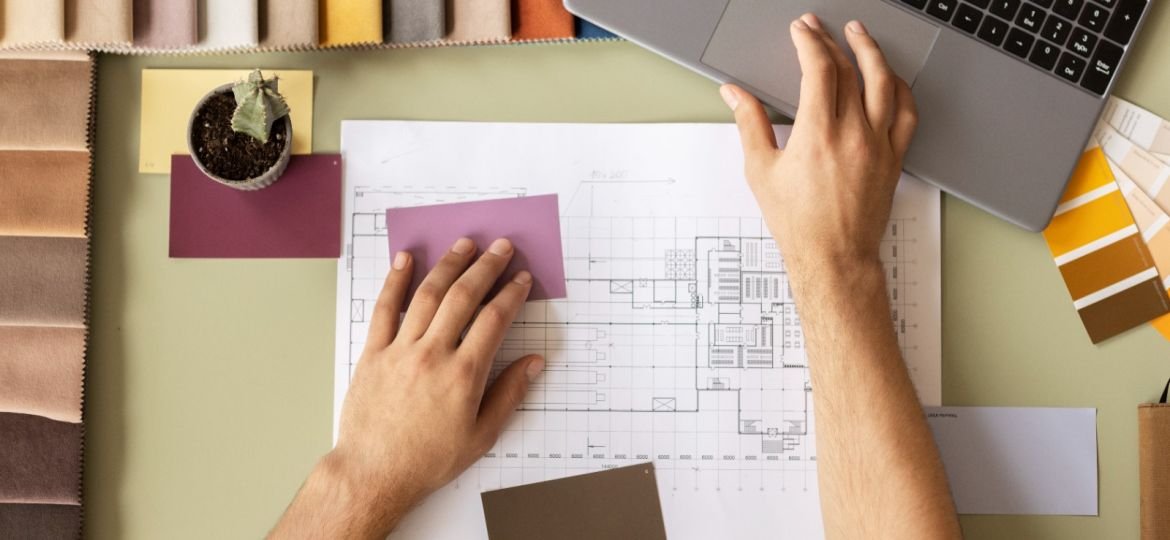
Designing a home is about more than choosing beautiful furniture or matching wall colors. A well-designed interior should be comfortable, functional, practical, and reflective of the people who live in it. Whether you are furnishing a new apartment in Cairo, renovating a family home in Alexandria, or updating a small apartment in Mansoura, understanding interior design basics can help you make better decisions and avoid costly mistakes.
This guide explains the essential interior design fundamentals, from space planning and color theory to furniture selection, lighting, and materials. It also explores practical Egyptian home interior design ideas that can help you create a stylish and comfortable living space while staying within your budget.
What Are Interior Design Basics?
Interior design basics are the essential concepts and techniques used to plan, organize, and improve the interior of a space. They include choosing suitable furniture, arranging rooms, selecting colors, designing lighting, and combining materials and decorative elements.
The main purpose of interior design is to create a space that works well for everyday life while also looking attractive. A successful design considers how people move through a room, how they use different areas, and how the interior makes them feel.
Understanding Interior Design Fundamentals
The most important interior design fundamentals include:
- Space planning: Organizing furniture and areas to make the best use of available space.
- Design elements: Using color, lines, shapes, texture, light, and materials to create a visual identity.
- Design principles: Applying balance, proportion, harmony, rhythm, contrast, and emphasis.
- Furniture selection: Choosing pieces that suit the room’s size, purpose, and style.
- Lighting design: Combining natural and artificial light to improve comfort and functionality.
- Color theory: Understanding how colors work together and influence the atmosphere of a room.
Interior design is closely related to interior decoration, but the two are not exactly the same. Interior design focuses on the organization and functionality of a space, while interior decoration mainly involves furniture, colors, accessories, fabrics, and finishes.
How Interior Design Works
Understanding how interior design works begins with identifying the needs of the people who will use the space. A family home, a couple’s apartment, and a home office may require completely different layouts and design solutions.
The design process usually involves:
- Understanding the homeowner’s lifestyle and requirements.
- Measuring and analyzing the available space.
- Creating a practical furniture layout.
- Choosing colors, materials, and finishes.
- Planning suitable lighting.
- Adding furniture and decorative accessories.
- Reviewing the result and making improvements.
The best home interior design combines functionality and aesthetics instead of focusing on appearance alone.
The Main Interior Design Principles Every Homeowner Should Know
Learning the main interior design principles makes it easier to create rooms that feel organized and visually comfortable.
1. Balance in Interior Design
Balance refers to how visual weight is distributed throughout a room. It helps prevent one area from feeling too crowded or visually heavier than another.
There are three common types of balance:
- Symmetrical balance: Similar furniture or decorative elements are placed on both sides of a central point.
- Asymmetrical balance: Different objects create balance through their size, color, shape, or visual weight.
- Radial balance: Elements are arranged around a central point, such as a round dining table or a central light fixture.
For example, two matching bedside tables on either side of a bed create symmetrical balance. In a living room, a large sofa can be balanced by an armchair, a floor lamp, and a side table placed across the room.
2. Proportion and Scale
Scale and proportion describe the relationship between objects, furniture, and the size of a room.
A large sofa may look attractive in a showroom but overwhelm a small Egyptian apartment. Similarly, very small furniture can make a large room feel empty.
When choosing furniture, consider:
- The dimensions of the room.
- Ceiling height.
- Doorways and passageways.
- The size of existing furniture.
- The amount of space needed for movement.
Understanding room proportions helps homeowners select pieces that look appropriate and function comfortably.
3. Harmony and Unity
Unity and harmony create a sense of consistency throughout an interior. A room feels harmonious when its colors, materials, furniture, and decorative elements work together.
You can create harmony by:
- Repeating one or two colors throughout the room.
- Choosing furniture with complementary shapes.
- Using similar finishes across different areas.
- Coordinating curtains, rugs, cushions, and wall colors.
- Maintaining a consistent personal design style.
Harmony does not mean everything must match perfectly. A combination of different textures and furniture styles can still feel cohesive when there is a clear visual connection.
4. Rhythm and Repetition
Rhythm and repetition help guide the eye around a room. Repeating a color, shape, material, or pattern can create visual flow.
For example, you might repeat a warm wood finish in the TV unit, coffee table, and shelving. Alternatively, the same accent color could appear in cushions, artwork, and decorative objects.
Rhythm is especially useful in open-plan living spaces because it can help connect the living room, dining area, and kitchen.
5. Contrast and Emphasis
Contrast in interior design is created by combining different colors, textures, shapes, or materials. It adds interest and prevents a room from looking flat.
Examples include:
- Light walls with dark furniture.
- Smooth surfaces combined with textured fabrics.
- Modern furniture paired with traditional decorative pieces.
- Neutral colors with a bold accent color.
A focal point is the main feature that attracts attention in a room. It might be a statement wall, a large artwork, an elegant sofa, a distinctive lighting fixture, or a beautiful view from a window.
A good focal point gives the room a clear visual direction without overwhelming the rest of the design.
Understanding the Essential Design Elements
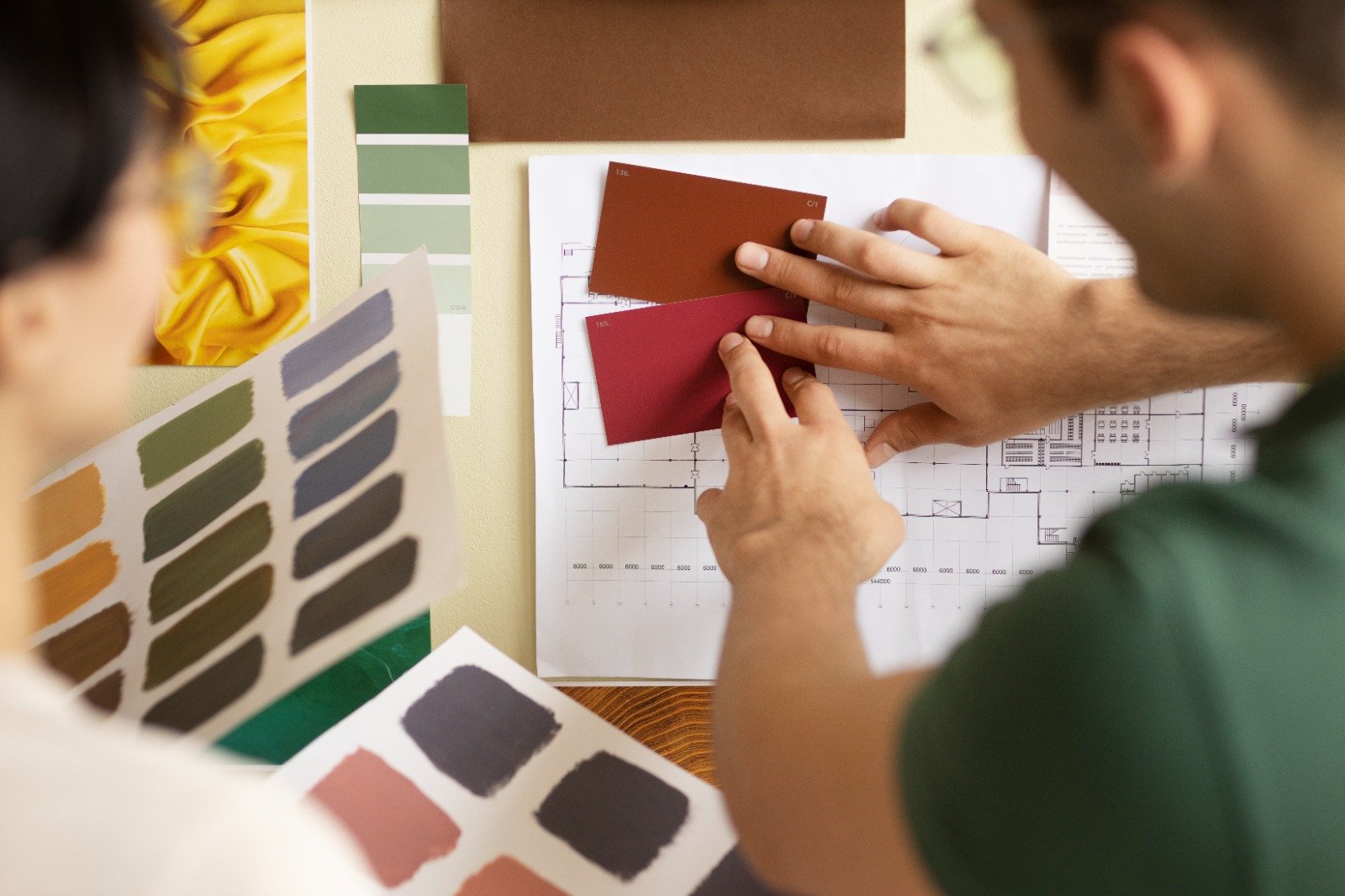
The essential design elements are the building blocks of interior design. Learning how to combine them can help you create more attractive and functional spaces.
Space and Space Planning
Space planning is the process of deciding how different areas and furniture pieces should be arranged within a room. It is one of the most important parts of interior design fundamentals because it directly affects comfort and functionality.
Effective space planning considers:
- The purpose of each room.
- Furniture dimensions.
- Door and window positions.
- Storage requirements.
- Walking paths.
- Natural light.
- The relationship between connected spaces.
Room circulation is particularly important. People should be able to move around furniture comfortably without constantly bumping into objects or blocking doors.
In open-plan living spaces, furniture can help define different zones. For example, a sofa and rug can establish the living area, while a dining table and pendant light can visually separate the dining space.
Before purchasing furniture, measure the room and create a basic layout. Even a simple floor plan can help you understand whether everything will fit.
Lines and Shapes
Lines and shapes influence how a room looks and feels.
- Horizontal lines can make a room feel wider and more relaxed.
- Vertical lines can emphasize ceiling height.
- Curved shapes can create a softer and more welcoming atmosphere.
- Geometric shapes can give an interior a modern appearance.
Furniture, doors, windows, shelves, wall panels, and decorative objects all contribute to the lines and shapes in a room.
Color and Color Theory
Color theory explains how colors relate to one another and how they can influence the visual atmosphere of a space.
Common color groups include:
- Warm colors: Red, orange, yellow, and related shades.
- Cool colors: Blue, green, and some violet shades.
- Neutral colors: White, beige, gray, cream, and similar tones.
- Accent colors: Stronger colors used to highlight specific features.
Creating an interior color palette is easier when you begin with a main color, a secondary color, and one or two accent shades.
For example, a living room might use:
- Warm off-white walls.
- Beige or taupe furniture.
- Natural wood finishes.
- Terracotta cushions or artwork as accents.
In Egyptian homes, natural sunlight can affect how paint colors appear during the day. A color that looks soft in a showroom may appear brighter in a room with strong sunlight. Test paint samples in the actual room before making a final decision.
Texture and Patterns
Texture and patterns add depth, personality, and visual interest to an interior.
Texture can be visual or physical. Examples include:
- Soft upholstery.
- Natural wood.
- Woven rugs.
- Smooth glass.
- Matte paint.
- Glossy tiles.
- Textured wall finishes.
Patterns can be introduced through curtains, cushions, rugs, wallpaper, and artwork.
To avoid a crowded appearance, combine patterns of different sizes and keep some surfaces relatively simple. A room with patterned curtains, a detailed rug, and decorative cushions may benefit from neutral furniture and plain walls.
Light and Lighting Design
Lighting design is essential for both the appearance and functionality of a home. Good lighting helps people perform daily activities, improves the atmosphere, and highlights important design features.
There are three main types of interior lighting:
Ambient Lighting
Ambient lighting provides general illumination throughout a room. It may come from ceiling fixtures, recessed lights, or other broad light sources.
Task Lighting
Task lighting is designed for specific activities, such as reading, cooking, studying, or applying makeup. Examples include desk lamps, under-cabinet kitchen lights, and bedside lamps.
Accent Lighting
Accent lighting highlights particular features, such as artwork, architectural details, shelves, or decorative objects.
A successful lighting plan often combines all three types.
Natural light is also an important part of Egyptian home interior design. Windows, balconies, and openings can provide daylight and improve the feeling of spaciousness. Curtains should be selected according to privacy needs, sunlight levels, and the desired atmosphere.
Energy-efficient lighting, such as suitable LED fixtures, can help reduce electricity consumption while providing different brightness levels and color temperatures.
Materials and Finishes
The choice of interior materials affects durability, maintenance, comfort, and visual appeal.
Common materials include:
- Wood and wood-look finishes.
- Ceramic and porcelain tiles.
- Natural stone.
- Glass.
- Metal.
- Paint.
- Upholstery fabrics.
- Laminate and engineered surfaces.
Flooring and wall finishes should be selected according to the function of each room. Kitchens and bathrooms require materials that can handle moisture and frequent cleaning, while bedrooms and living rooms may prioritize warmth and comfort.
For busy households, easy-to-maintain materials can be a practical choice. Before purchasing a material, consider its durability, cleaning requirements, resistance to moisture, and suitability for the room.
How to Apply Interior Design Basics to Every Room
Different rooms serve different purposes, so their layouts and design choices should reflect how they are used.
Living Room Design
A living room should support relaxation, conversation, entertainment, and family activities. Good living room design begins with a practical seating arrangement.
Consider the following:
- Place the main sofa according to the room’s focal point.
- Leave comfortable walking paths around furniture.
- Choose a coffee table that suits the seating arrangement.
- Use rugs to define the seating area.
- Include suitable ambient and task lighting.
- Add storage for books, electronics, and everyday items.
The furniture layout should encourage conversation rather than forcing everyone to face a television. In smaller apartments, multifunctional furniture can help maximize available space.
Bedroom Interior Design
A bedroom should feel comfortable, calm, and private. Bedroom interior design involves more than choosing attractive bedding; it also requires thoughtful furniture placement and lighting.
Important considerations include:
- Positioning the bed where movement is comfortable.
- Leaving practical space around the bed.
- Choosing suitable bedside tables.
- Providing sufficient clothing storage.
- Using comfortable and easy-to-maintain fabrics.
- Selecting calming colors.
- Adding adjustable bedside lighting.
Avoid filling the bedroom with unnecessary furniture. A simple layout can create a more relaxing environment and make cleaning easier.
Kitchen Design Basics
Kitchen design basics focus on efficient movement, storage, preparation, and cleaning.
When planning a kitchen, consider:
- The position of the refrigerator, sink, and cooking area.
- Sufficient countertop space.
- Accessible storage.
- Ventilation.
- Lighting above work surfaces.
- Durable and easy-to-clean materials.
- The number of people who regularly use the kitchen.
Good kitchen design should support the way the household prepares meals. The most attractive kitchen may still be inconvenient if storage is limited or the work areas are poorly arranged.
Bathroom Design Principles
The main bathroom design principles are functionality, safety, ventilation, durability, and comfort.
Important features include:
- Moisture-resistant flooring and wall finishes.
- Adequate ventilation.
- Sufficient lighting around the mirror.
- Practical storage.
- Slip-resistant flooring where appropriate.
- Proper placement of sanitary fixtures.
- Easy access to cleaning and maintenance areas.
For a small bathroom, wall-mounted storage, light colors, and a well-planned layout can help the space feel more organized.
Interior Design Tips for Egyptian Homeowners
Egyptian homes have different needs depending on their location, apartment size, climate, household structure, and budget. The following tips can help homeowners make more practical design decisions.
Make the Most of Small Apartments
Small apartment design requires careful planning because every square meter matters.
Useful strategies include:
- Choosing furniture that fits the room’s dimensions.
- Using vertical storage where practical.
- Selecting multifunctional furniture.
- Keeping walkways clear.
- Using mirrors thoughtfully to reflect light.
- Avoiding excessive decorative objects.
- Choosing furniture with built-in storage.
For example, a bed with storage drawers or a compact dining table can provide additional functionality without taking up unnecessary floor space.
Choose Materials for Egypt’s Climate
Climate-conscious interior design considers heat, sunlight, dust, humidity, and ventilation when selecting materials and finishes.
Depending on the home’s location and conditions, homeowners may benefit from:
- Light-colored curtains that help manage strong sunlight.
- Durable, washable upholstery.
- Flooring that is easy to clean.
- Suitable ventilation in kitchens and bathrooms.
- Materials that can withstand the conditions of the room.
- Window treatments that support privacy and daylight control.
The right choices depend on the specific home. Coastal areas may have different moisture considerations from inland locations, while apartments exposed to strong sunlight may require additional attention to window treatments.
Plan a Budget-Friendly Interior
Budget-friendly interior design does not require buying the cheapest items or completing every room at once. It means prioritizing spending according to your needs.
A practical home renovation planning process can include:
- Setting a total budget.
- Listing essential repairs and improvements.
- Prioritizing furniture that is necessary for daily life.
- Comparing material and furniture options.
- Keeping a reserve for unexpected expenses.
- Completing the project in manageable stages.
You can create a significant visual improvement by repainting walls, changing lighting fixtures, rearranging furniture, updating textiles, or adding carefully selected accessories.
Before starting a major renovation, obtain accurate local quotations for labor and materials.
Choose a Personal Design Style
Your personal design style should reflect your preferences, lifestyle, and the way you use your home.
Popular styles include:
- Modern: Clean lines, practical furniture, and a simple visual appearance.
- Minimalist: A focus on essential pieces, open space, and limited decoration.
- Contemporary: Current design ideas, flexible materials, and a balanced appearance.
- Classic: Traditional details, elegant furniture, and timeless decorative elements.
- Scandinavian-inspired: Light colors, natural materials, simple forms, and comfortable textiles.
You do not need to follow one style strictly. Combining elements from different styles can create a home that feels more personal, provided the colors, proportions, and materials work together.
Common Interior Design Mistakes to Avoid
Even a well-planned design can become less effective when basic principles are ignored.
Choosing Furniture Before Measuring the Room
One of the most common mistakes is purchasing furniture without checking the room dimensions. A piece may fit inside a room but still block a door, window, or walking path.
Always measure the room and check the dimensions of furniture before buying.
Using Too Many Colors or Patterns
Too many competing colors and patterns can make a room feel visually busy. A coordinated interior color palette and a clear design direction help create unity and harmony.
This does not mean every room must be plain. Instead, choose a few dominant colors and use stronger patterns as accents.
Ignoring Lighting
A room can look unattractive or feel uncomfortable if it relies on one harsh light source. Consider how the room will be used during the morning, afternoon, and evening.
Combine natural light with suitable ambient, task, and accent lighting where needed.
Prioritizing Appearance Over Functionality
A beautiful room may not work well if there is insufficient storage, uncomfortable furniture, or limited space for movement.
Home functionality should influence every major decision, from furniture selection to the placement of electrical outlets and lighting fixtures.
Following Trends Without Considering Personal Needs
Interior trends can provide inspiration, but they should not determine every purchase. Choose materials, furniture, and colors that suit your lifestyle and are practical for long-term use.
A timeless foundation with a few replaceable decorative accents can be more flexible than a room designed entirely around a short-lived trend.
A Step-by-Step Interior Design Process for Beginners
If you are designing your home for the first time, the following process can help you organize your project.
Step 1: Define Your Needs and Goals
Start by asking how you want to use the room. Do you need more storage, a comfortable seating area, a home office, or a space for family gatherings?
Consider your household’s daily routines and identify the most important improvements.
Step 2: Measure and Analyze the Space
Measure the room’s length, width, and ceiling height. Record the positions of doors, windows, electrical outlets, and fixed features.
Analyze the room proportions, natural light, ventilation, and available space for furniture.
Step 3: Create a Layout
Prepare a basic furniture layout before purchasing anything. Test different arrangements to find the best balance between comfort, movement, and functionality.
During this stage, focus on space planning, furniture layout, and room circulation.
Step 4: Choose a Color Palette and Materials
Select an interior color palette that suits the room’s purpose, lighting, and personal style.
Then choose suitable interior materials, flooring, wall finishes, fabrics, and textures. Consider durability and maintenance, not just appearance.
Step 5: Select Furniture and Lighting
Choose furniture according to room dimensions, comfort, and function. Plan the lighting design at the same time so that electrical points and fixtures can be positioned correctly.
Consider ambient lighting, task lighting, and accent lighting where appropriate.
Step 6: Add Decorative Accessories
Once the main furniture and lighting are in place, add decorative accessories such as artwork, mirrors, cushions, rugs, plants, and decorative objects.
Use accessories to reinforce the room’s style and create a clear focal point without overcrowding the space.
Step 7: Review and Improve the Design
Live with the arrangement for a while and observe how the room works in everyday life.
Ask yourself:
- Is the furniture comfortable?
- Are the walking paths clear?
- Is there enough storage?
- Does the lighting work for different activities?
- Are the materials easy to maintain?
- Does the room reflect your preferences?
Small adjustments can make a significant difference.
When Should You Hire a Professional Interior Designer?
Some projects can be completed successfully by homeowners, while others benefit from professional guidance.
A professional interior designer may be useful when you are:
- Renovating an entire apartment.
- Changing room layouts or planning complex improvements.
- Selecting materials for several rooms.
- Managing a large furniture and lighting project.
- Working with a strict budget and multiple contractors.
- Trying to coordinate architectural and interior details.
Interior designers can help with space planning, furniture selection, materials, finishes, and project coordination. For significant structural changes, it is also important to consult appropriately qualified professionals.
Hiring a designer is not always necessary for a simple room refresh, but professional advice can help reduce planning errors in larger projects.
Frequently Asked Questions About Interior Design Basics
What are the most important interior design basics for beginners?
The most important interior design basics include space planning, furniture layout, color theory, lighting design, material selection, and the main design principles. Beginners should focus on making their homes functional and comfortable before adding decorative details.
What are the seven principles of interior design?
The commonly taught principles include balance, harmony, rhythm, proportion and scale, emphasis, contrast, and unity. Different design schools may group or describe these principles differently.
How do I start designing my home interior?
Begin by identifying your needs, measuring the space, and creating a furniture layout. Then choose a color palette, materials, lighting, and furniture that suit the room’s purpose and your budget.
How can I design a small Egyptian apartment?
Focus on small apartment design techniques such as multifunctional furniture, practical storage solutions, clear walking paths, appropriate furniture scale, and thoughtful lighting. Avoid overcrowding the rooms with unnecessary pieces.
How much does interior design cost in Egypt?
The cost of interior design in Egypt varies according to the size of the property, location, project complexity, materials, labor, furniture, and professional design fees. A simple room refresh will generally require a different budget from a complete apartment renovation.
Obtain updated quotations from local suppliers and contractors before making a financial decision.
What is the difference between interior design and interior decoration?
Interior design focuses on planning and improving the functionality, layout, and overall use of an interior space. Interior decoration focuses primarily on furniture, colors, fabrics, accessories, and visual finishes. The two fields often overlap in residential projects.
Understanding interior design basics can help Egyptian homeowners create homes that are attractive, comfortable, and practical. From space planning and design principles to color theory, furniture selection, and lighting design, each decision contributes to the overall experience of a room.
The best approach is to start with your needs, measure your space, establish a realistic budget, and choose materials and furniture that support your lifestyle. Whether you are furnishing a new apartment or updating an existing home, thoughtful planning can help you achieve a balanced and functional interior that feels truly yours.
Follow us:
[…] By Rahma El-Sayed Interior Design Tips September 17, […]