


How to Choose Interior Design Style for Your Space
Choosing the right interior design style is about more than selecting attractive furniture or following the latest trends. It involves understanding your lifestyle, the architecture of your property, your functional needs, and the atmosphere you want to create.
Whether you are designing a modern apartment, a luxury villa, an office, or a commercial property, the right design direction helps bring every element together, from the color palette and lighting to furniture, materials, and spatial planning.
With so many interior design styles available, knowing where to begin can feel overwhelming. The key is to identify what suits your space and preferences while maintaining a balance between aesthetics, comfort, and functionality.
In this guide, we explain how to choose interior design style for your home or project, explore popular design approaches, and share practical considerations to help you create a cohesive interior.
Why Choosing the Right Interior Design Style Matters
An interior design style establishes the visual identity of a space and influences how people experience it. The right approach can make a room feel welcoming, sophisticated, spacious, or focused, depending on its purpose.
A well-planned interior design concept helps you:
- Create a consistent look throughout your property.
- Select furniture that complements the architecture.
- Develop a balanced color palette.
- Choose suitable materials, finishes, and textures.
- Improve the functionality of each room.
- Coordinate lighting with the intended atmosphere.
- Reflect your personality or brand identity through design.
For residential properties, the priority is often comfort and personalization. Commercial interiors may require greater attention to customer experience, brand identity, and efficient movement through the space.
Understanding these priorities early makes it easier to select a style that works visually and practically.
1. Start With Your Space and Architecture
Before exploring different design styles, consider the characteristics of the space itself. The architecture provides important clues about which interior concepts are likely to work best.
Consider the Size and Layout
A compact apartment may benefit from a minimalist or Scandinavian approach, where simple furniture, light colors, and practical storage help make the most of the available space.
A spacious villa, on the other hand, may accommodate larger furniture, statement lighting, detailed wall treatments, and more elaborate architectural features.
Consider the following factors:
- Room dimensions and ceiling height.
- Natural light and window placement.
- Open-plan or divided layouts.
- Existing architectural details.
- Storage and circulation requirements.
- Connections between indoor and outdoor areas.
Effective space planning ensures that the design supports everyday activities rather than simply looking attractive.
Work With the Architectural Character
The interior should complement the building rather than compete with it.
Properties with clean architectural lines may suit modern or contemporary interiors, while spaces featuring decorative moldings, symmetrical proportions, or traditional details may work well with classic or transitional styles.
This does not mean every architectural feature must dictate the final design. Instead, use the existing structure as a starting point for developing a cohesive interior design concept.
2. Define Your Lifestyle and Functional Needs
One of the most important steps in deciding how to choose interior design style is understanding how the space will be used.
A beautiful interior may still be impractical if it does not support the needs of the people who use it.
For example, a family home may require durable finishes, comfortable seating, flexible storage, and easy-to-maintain materials. A formal living room may place greater emphasis on symmetry, statement furniture, and decorative lighting.
For offices, functionality and productivity should influence furniture layouts, lighting, privacy, and circulation. Restaurants, retail stores, and hospitality environments must also consider customer movement, brand identity, and operational requirements.
Before selecting a style, ask yourself:
- What activities will take place in this space?
- Who will use it most frequently?
- Do I prefer a relaxed or formal atmosphere?
- How much storage do I need?
- Which materials are practical for my daily routine?
- What maintenance requirements can I comfortably manage?
These questions help narrow your options and ensure that the finished interior reflects your actual needs.
3. Identify Your Personal Interior Design Preferences
Your personal taste should guide the design direction. However, identifying your preferences requires more than choosing individual images that look appealing.
Create an Inspiration Collection
Collect images of rooms, furniture, lighting, materials, and decorative details that appeal to you. Look for recurring elements rather than focusing on each image individually.
You may notice that you consistently prefer:
- Neutral colors and clean lines.
- Warm wood and natural textures.
- Elegant furniture and classic details.
- Bold contrasts and sculptural lighting.
- Rich materials and sophisticated finishes.
These patterns can help you identify your personal interior style.
Develop a Mood Board
An interior design mood board brings your ideas together in one place. Include reference images, colors, material samples, furniture styles, and lighting ideas.
The purpose is to establish a clear visual direction before making major purchasing or design decisions.
You can also explore TRIO’s guide to interior design styles to compare different approaches and understand their defining characteristics.
4. Understand the Most Popular Interior Design Styles
Once you understand your preferences, explore the main interior design styles and consider how each one would work within your property.
Modern Interior Design
Modern interior design emphasizes simplicity, clean lines, functional furniture, and carefully selected materials.
Common features include neutral colors, geometric forms, uncluttered layouts, and a combination of materials such as wood, glass, and metal.
This style can work well in apartments, villas, and professional environments where functionality and a refined appearance are equally important.
Choose modern design if you prefer a structured, understated interior without excessive decoration.
Contemporary Interior Design
Contemporary design reflects current design preferences and is more flexible than a style tied to a particular historical movement.
It may combine streamlined furniture, subtle textures, statement lighting, natural materials, and carefully placed decorative elements.
Contemporary interiors can feel sophisticated without being overly formal. Their flexibility also allows designers to incorporate individual preferences and adapt the concept to different architectural settings.
Minimalist Interior Design
Minimalist interiors follow the principle of keeping only what contributes to the function or visual quality of the space.
They typically feature simple furniture, limited decoration, neutral colors, and carefully planned storage.
However, minimalism does not mean that a room must feel empty or cold. Natural wood, textured fabrics, stone surfaces, and layered lighting can introduce warmth while maintaining a clean aesthetic.
This approach is particularly suitable for people who value simplicity, visual clarity, and practical living spaces.
Classic Interior Design
Classic interior design emphasizes symmetry, proportion, elegant furniture, and timeless decorative details.
Features may include decorative moldings, sophisticated lighting, rich materials, balanced layouts, and carefully coordinated colors.
This style often works well in formal living rooms, traditional residences, and luxury villas where architectural detail and craftsmanship are central to the design.
Classic interiors can feel luxurious without relying entirely on elaborate decoration. The key is to maintain balance and ensure that every element contributes to the overall concept.
Transitional Interior Design
Transitional design combines traditional elegance with contemporary simplicity.
For example, a room might feature classic wall moldings alongside modern furniture, understated colors, and contemporary lighting.
This approach is ideal for people who appreciate traditional details but prefer a more updated and flexible interior.
It also offers opportunities to incorporate existing furniture or architectural features into a new design.
Mediterranean Interior Design
Mediterranean interiors draw inspiration from the architecture and lifestyle of Mediterranean regions.
Typical elements include warm neutral colors, natural stone, wood, textured walls, earthy finishes, and an emphasis on natural light.
Beige, sand, terracotta, warm white, and muted blue can help establish the desired atmosphere.
This style can work particularly well in villas and spacious residences where indoor and outdoor areas can be connected through the design.
Industrial Interior Design
Industrial design takes inspiration from warehouses, factories, and industrial architecture.
It often features exposed concrete, metal, brick, wood, simple furniture, and open layouts.
The combination of raw materials and refined finishes can create a distinctive interior for contemporary homes, creative offices, restaurants, and commercial spaces.
To prevent the space from feeling harsh, consider adding warm lighting, comfortable furniture, and softer textures.
Scandinavian Interior Design
Scandinavian design focuses on simplicity, natural materials, functionality, and a bright, comfortable atmosphere.
Common features include light colors, natural wood, simple furniture, soft textiles, and practical layouts.
This style can be especially effective in smaller apartments or homes where the goal is to create an inviting environment without visual clutter.
Luxury Interior Design
Luxury interior design is not simply about using expensive materials. It is about the quality and coordination of the entire experience.
A well-executed luxury interior may include bespoke furniture, premium materials, carefully planned lighting, refined finishes, and architectural details tailored to the property.
Proportion, craftsmanship, comfort, and consistency are just as important as the materials themselves.
For high-end residences and commercial projects, the most successful interiors balance sophistication with functionality rather than relying on decoration alone.
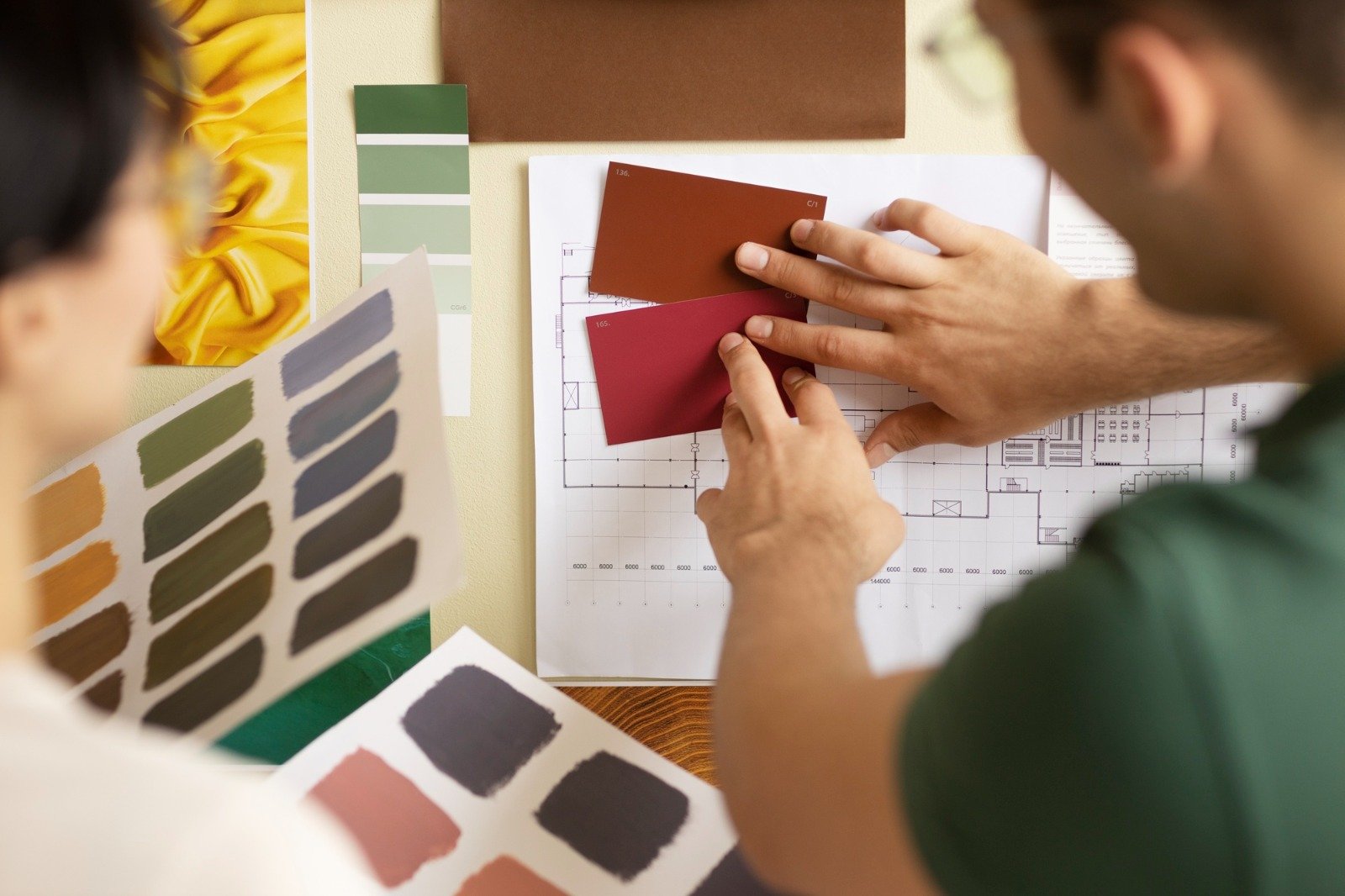
5. Choose a Color Palette That Supports Your Style
Color plays an important role in establishing the atmosphere of an interior. The right palette can make a room feel calm, energetic, warm, or formal.
Start with a small selection of complementary colors rather than introducing too many shades at once.
Consider these general approaches:
- Neutral palettes: White, beige, gray, and warm off-white can create a versatile foundation.
- Earthy palettes: Sand, terracotta, olive, and warm brown can introduce natural warmth.
- Monochromatic palettes: Different shades of one color can create visual consistency.
- Contrasting palettes: Dark and light tones can add definition and visual interest.
Your palette should also complement the flooring, furniture, materials, and available natural light.
Before committing to a color, test it in the actual room. Colors can appear different depending on the lighting conditions and surrounding finishes.
6. Select Materials, Textures, and Finishes
Materials help communicate the character of a design style. Even when two rooms use similar colors, different materials can produce very different results.
For example, natural wood can introduce warmth, stone can create a sense of solidity and refinement, glass can support a more open appearance, and metal can add a contemporary or industrial character.
When selecting materials, consider:
- Appearance and texture.
- Durability and maintenance.
- Compatibility with other finishes.
- Suitability for the room’s function.
- Performance under expected use.
- Long-term consistency with the design concept.
For kitchens and bathrooms, practical performance is particularly important. In living areas and bedrooms, texture and comfort may play a more prominent role.
A carefully coordinated material palette helps connect different rooms and creates a more cohesive interior.
7. Choose Furniture That Complements Your Interior Style
Furniture should support the overall design concept while meeting the practical needs of the space.
Before purchasing furniture, consider its dimensions, proportions, materials, comfort, and relationship to the room layout.
A large sofa may dominate a small living room, while undersized furniture can make a spacious room feel disconnected. Similarly, furniture with elaborate detailing may conflict with an otherwise minimalist interior.
Use these guidelines to make better choices:
- Measure the room before selecting major furniture pieces.
- Establish the primary furniture layout.
- Choose materials and finishes that complement the color palette.
- Maintain comfortable circulation between furniture pieces.
- Combine statement pieces with simpler supporting elements.
- Prioritize everyday comfort alongside appearance.
For a more personalized result, consider how custom furniture or carefully selected decorative pieces could support the proportions and character of your space.
8. Use Lighting to Complete the Design
Lighting can transform the appearance and functionality of an interior. It influences how colors are perceived, highlights architectural details, and helps establish the mood of different rooms.
A well-planned lighting scheme generally combines three layers.
Ambient lighting provides overall illumination throughout the room.
Task lighting supports specific activities, such as reading, cooking, working, or grooming.
Accent lighting highlights artwork, architectural features, decorative objects, or textured surfaces.
Natural light should also influence the design. Window placement, curtains, reflective surfaces, and furniture arrangements can all affect how daylight enters and moves through a space.
Rather than selecting lighting fixtures as isolated decorative objects, consider how they work together with the architecture, furniture, materials, and intended atmosphere.
9. Can You Mix Different Interior Design Styles?
Yes. Mixing interior design styles can produce a distinctive result when the elements share a clear visual connection.
The challenge is to avoid making the space feel disjointed.
Follow these principles to combine styles successfully:
- Choose a dominant style: Establish the primary design direction before introducing contrasting elements.
- Maintain a consistent color palette: Repeated colors can connect furniture and finishes from different styles.
- Repeat materials: Similar wood tones, metals, or fabrics can create continuity.
- Balance proportions: Ensure that furniture and decorative elements work together in scale.
- Use contrast intentionally: Let a few distinctive pieces stand out instead of competing for attention.
For example, a transitional interior can combine classic architectural details with contemporary furniture and modern lighting.
The objective is not to make every element identical, but to create a cohesive design concept in which each element has a clear purpose.
10. Match the Interior Style to Your Project Type
The best interior design approach also depends on whether you are designing a residence, workplace, hospitality environment, or commercial property.
Residential Interior Design
Residential interiors should reflect the occupants’ lifestyles and preferences.
Comfort, storage, privacy, maintenance, and the relationship between shared and private spaces should influence the design.
A coordinated approach can connect living rooms, bedrooms, kitchens, bathrooms, and other areas while allowing each room to serve its own purpose.
Commercial Interior Design
Commercial interiors must balance visual appeal with operational requirements.
Offices may prioritize productivity and collaboration, while retail spaces may focus on customer circulation and brand presentation. Hospitality environments need to consider comfort, service operations, and the overall guest experience.
In these settings, the design should support the purpose of the business rather than focus solely on appearance.
Luxury Residences and Premium Developments
Luxury projects often require more detailed coordination between architecture, space planning, furniture, materials, lighting, and construction.
The design must feel consistent throughout the property while responding to the needs of its users.
For projects that require this level of coordination, TRIO’s interior design services cover residential and commercial environments, including villas, apartments, penthouses, offices, hospitality projects, and retail spaces.
11. Avoid Common Interior Design Mistakes
Even a well-defined style can produce disappointing results if practical considerations are overlooked.
Avoid these common mistakes:
Choosing a style only because it is trending. Trends can provide inspiration, but the final design should suit your preferences, architecture, and long-term needs.
Ignoring the room’s proportions. Furniture and decorative elements must fit the available space.
Prioritizing appearance over functionality. An interior should support everyday activities, not make them more difficult.
Combining too many unrelated styles. Without a consistent color palette or material direction, the result can feel visually cluttered.
Overlooking lighting. Poorly planned lighting can undermine even a carefully selected color palette and furniture arrangement.
Selecting materials without considering maintenance. A material that looks attractive may not be suitable for the room’s expected use.
Copying inspiration images exactly. Reference images should guide your decisions, not replace an assessment of your own property.
A successful interior emerges from thoughtful coordination rather than isolated design choices.
12. How to Know Which Interior Design Style Is Right for You
If you are still unsure which style to choose, use the following questions to narrow your options.
What atmosphere do you want to create? Decide whether you prefer a calm, warm, formal, minimalist, or expressive environment.
Which spaces inspire you most? Look for common patterns in the interiors you save, including colors, furniture shapes, materials, and lighting.
What does your architecture support? Consider the existing structure, natural light, proportions, and architectural details.
How will you use the space? Make functionality a central part of the decision.
Which materials appeal to you? Think about wood, stone, glass, metal, fabrics, and their maintenance requirements.
Do you prefer timeless or trend-led design? A more timeless direction may offer flexibility as your preferences evolve, while trend-led elements can be introduced through replaceable accessories.
Do the elements work together? Review your mood board and check whether the furniture, colors, finishes, and lighting form a consistent visual direction.
You do not need to commit to a style immediately. Comparing a few well-developed concepts can help you understand which approach best fits your needs.
13. Why Professional Interior Design Matters
Choosing a style is an important first step, but translating it into a functional interior requires additional planning and coordination.
Professional interior design may involve concept development, space planning, furniture layouts, material selection, lighting design, technical coordination, and fit-out execution.
These elements need to work together. A beautiful concept may require adjustments to suit the building’s structure, available dimensions, technical systems, or practical requirements.
For larger projects, coordination between the design and construction teams is especially important because interior decisions can affect installation, finishes, scheduling, and execution.
At TRIO, interior design is part of an integrated approach that connects designing, building, and developing. The company’s interiors offering focuses on spatial planning, premium material selection, and coordinated aesthetics, while its broader services connect the design vision with construction and project delivery.
Explore TRIO’s project portfolio to see examples of its work across residential developments, hospitality, architecture, and construction.
Frequently Asked Questions
How do I choose an interior design style?
Start by assessing your lifestyle, the architecture of your property, and the way you intend to use each room. Then identify your preferred colors, materials, furniture, and overall atmosphere. Compare a few styles and select the one that best balances aesthetics, comfort, and functionality.
What is the best interior design style for a home?
There is no single best style for every home. Modern, minimalist, classic, contemporary, Scandinavian, Mediterranean, and transitional interiors can all work well. The right choice depends on your preferences, architecture, available space, and practical requirements.
How can I find my personal interior design style?
Collect inspiration images and look for recurring patterns in the colors, materials, furniture, and details you prefer. Create a mood board and compare your preferences with established interior design styles. This process can help you develop a clear direction.
Can I mix modern and classic interior design?
Yes. Modern and classic elements can work together when their proportions, colors, materials, and finishes are carefully coordinated. Transitional design is one established approach that combines traditional elegance with contemporary simplicity.
Should interior design match the architecture?
Interior design should generally complement the building’s architecture. Existing proportions, windows, ceiling heights, and structural features can help determine which styles and layouts are most appropriate. However, a thoughtful design can also introduce contrast when it serves a clear purpose.
How important are colors and materials when choosing an interior style?
Colors and materials strongly influence the atmosphere and visual identity of a space. They also affect durability, maintenance, comfort, and how different rooms connect. Selecting them as part of a unified concept helps create a more cohesive interior.
When should I hire an interior designer?
Consider professional support when planning a major renovation, designing a new property, coordinating multiple rooms, or developing a residential or commercial project with complex requirements. A professional can help connect the concept, spatial planning, materials, lighting, and execution.
Final Thoughts
Understanding how to choose interior design style begins with knowing what you want your space to achieve. The most successful interiors reflect the people who use them, respond to the architecture, and balance visual appeal with everyday functionality.
Start with your lifestyle and preferences, explore different design approaches, and build a consistent concept around your chosen colors, materials, furniture, and lighting. Avoid following trends without considering whether they suit your property and long-term needs.
For larger residential, commercial, or premium development projects, the relationship between design and execution is equally important. Through its integrated approach to Interiors, Construction, and Development, TRIO brings these disciplines together to help transform a design concept into a functional, thoughtfully coordinated space.
Planning a new interior or developing an existing property? Explore TRIO’s interior design services to discuss a design approach tailored to your project.
Follow us: